


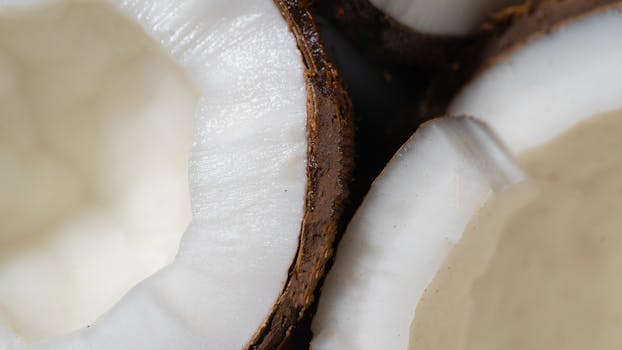

You might be familiar with the standard yoga poses, the calming breathwork, and the serene savasana. But what if I told you there’s a way to infuse your yoga practice with an element that’s not just refreshing but can also amplify its benefits? We’re talking about coconut yoga – and no, it doesn’t involve balancing a coconut on your head (though that could be a fun challenge!). This isn’t just a trend; it’s a mindful approach to incorporating the essence of the coconut into your yoga journey for enhanced relaxation and rejuvenation. In my experience, incorporating natural elements can elevate a practice from good to truly transformative.
What Exactly is Coconut Yoga?
At its core, coconut yoga is about leveraging the natural properties and symbolism of the coconut to deepen your yoga experience. Think of it as an extension of the mindful principles you already embrace on the mat, brought into a more sensory realm. It’s about connecting with nature, enhancing hydration, and tapping into the calming, nourishing energy that coconuts embody. It’s less about specific poses with coconuts and more about the spirit and application of coconut-derived elements.
#### The Hydration Hero: Coconut Water’s Role
Let’s start with the most obvious benefit: hydration. Practicing yoga, especially in warmer conditions or during a vigorous flow, can lead to significant fluid loss. Coconut water, rich in electrolytes like potassium and sodium, is nature’s sports drink. It’s far superior to many sugary alternatives and offers a clean, natural way to replenish your body.
Pre-Yoga Boost: Sip on some chilled coconut water about 30 minutes before your practice to ensure you’re well-hydrated from the start.
During Extended Sessions: For longer yoga retreats or intense workshops, keep a bottle of coconut water handy for sips between poses.
Post-Yoga Recovery: This is where it truly shines. Replenishing electrolytes after a sweaty session aids muscle recovery and prevents dehydration-related fatigue.
Beyond Drinking: Coconut Oil in Your Practice
Coconut oil isn’t just for cooking or skincare; it has a surprising number of applications in a coconut yoga context, enhancing both physical comfort and aromatherapy.
#### Enhancing Physical Comfort and Flow
The natural lubricating properties of coconut oil can be incredibly beneficial for certain yoga practices.
Foot and Hand Care: Before heading to your mat, a small amount of coconut oil can be massaged into your feet and hands. This not only softens the skin but can also provide a subtle, natural grip, especially important for poses requiring stability.
Joint Support: For those experiencing mild joint stiffness, a gentle massage with coconut oil on areas like wrists, knees, or ankles before practice can offer a comforting, warming sensation and improve the ease of movement. Always listen to your body and consult a medical professional if you have persistent joint pain.
#### The Aromatic Advantage: Coconut Oil for Aromatherapy
Coconut oil itself has a subtle, pleasant aroma, but it also serves as an excellent carrier oil for essential oils. This is where the sensory journey of coconut yoga truly takes flight.
Temple and Wrist Application: Dilute a drop or two of your favorite calming essential oil (like lavender or sandalwood) in a teaspoon of coconut oil. Gently apply to your temples, wrists, or the back of your neck. The subtle scent can enhance focus and promote relaxation during your practice.
Diffuser Blend: Add a few drops of coconut oil to your yoga studio’s diffuser (if permitted) for a light, tropical ambiance.
Tapping into the Coconut’s Symbolism
Coconuts, particularly the whole fruit, carry deep symbolism in many cultures. They represent:
Nourishment and Sustenance: The coconut provides water, milk, and flesh – a complete source of sustenance. This mirrors yoga’s aim to nourish the body, mind, and spirit.
Protection: The hard outer shell can be seen as a symbol of resilience and protection. In yoga, this can translate to building inner strength and self-awareness.
Growth and Potential: From a tiny seed, a mighty tree grows, bearing abundant fruit. This embodies the potential for growth and transformation inherent in a consistent yoga practice.
When you’re practicing, take a moment to reflect on these qualities. How can you bring more nourishment, resilience, or growth into your life? This contemplative aspect is a cornerstone of mindful living and a key differentiator of coconut yoga.
Practical Integration: Bringing Coconut Yoga into Your Routine
So, how do you actually start practicing coconut yoga? It’s simpler than you might think.
#### Simple Steps to Get Started:
- Hydration Station: Keep a supply of pure coconut water (unsweetened) readily available for before and after your yoga sessions.
- Aromatic Awakening: Invest in a small jar of organic, virgin coconut oil and a few calming essential oils. Create a simple blend for personal aromatherapy.
- Mindful Moments: During savasana or meditation, hold a small piece of dried coconut or simply visualize a coconut tree. Focus on the feelings of abundance, peace, and resilience it evokes.
- Sensory Focus: As you move through your poses, pay attention to the subtle sensations. If you’ve used coconut oil on your feet, notice the improved grounding. If you’re breathing in the gentle aroma, feel how it calms your nervous system.
Frequently Asked Questions About Coconut Yoga
Q: Do I need special equipment for coconut yoga?
A: Not at all! The core elements are coconut water and coconut oil, which are readily available. Any existing yoga mat and comfortable clothing will suffice.
Q: Can I use sweetened coconut water?
A: For optimal hydration and to avoid added sugars, unsweetened, pure coconut water is best. You can find many brands that offer this.
Q: Is coconut oil safe for sensitive skin?
A: For most people, yes. However, if you have very sensitive skin or known allergies, it’s always wise to do a patch test before applying it to larger areas.
Q: When is the best time to practice coconut yoga?
A: Coconut yoga can be integrated into any yoga practice, regardless of the time of day. However, many find the pre- and post-practice hydration benefits particularly useful for morning or evening sessions.
Wrapping Up: Embrace the Tropical Tranquility
Coconut yoga offers a beautiful, accessible way to enhance your existing yoga practice. It’s about bringing a touch of tropical tranquility and natural nourishment to your physical and mental well-being. By consciously incorporating coconut water for hydration, coconut oil for comfort and aroma, and the symbolism of the coconut for mindfulness, you can unlock deeper levels of relaxation and rejuvenation. Give it a try, and let the refreshing essence of the coconut elevate your journey on and off the mat. You might be surprised at how profoundly this simple addition can transform your practice.